
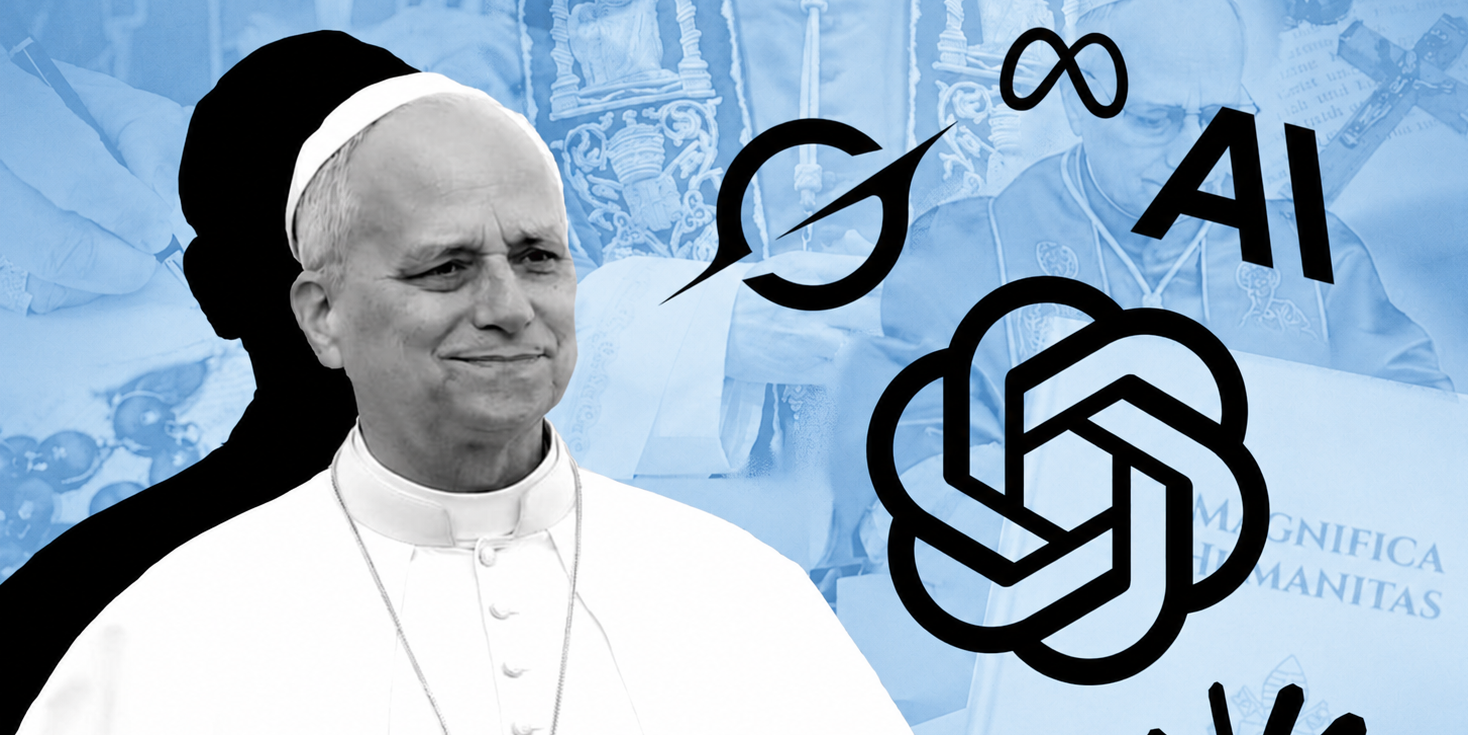
MAGNIFICENT HUMANITY!
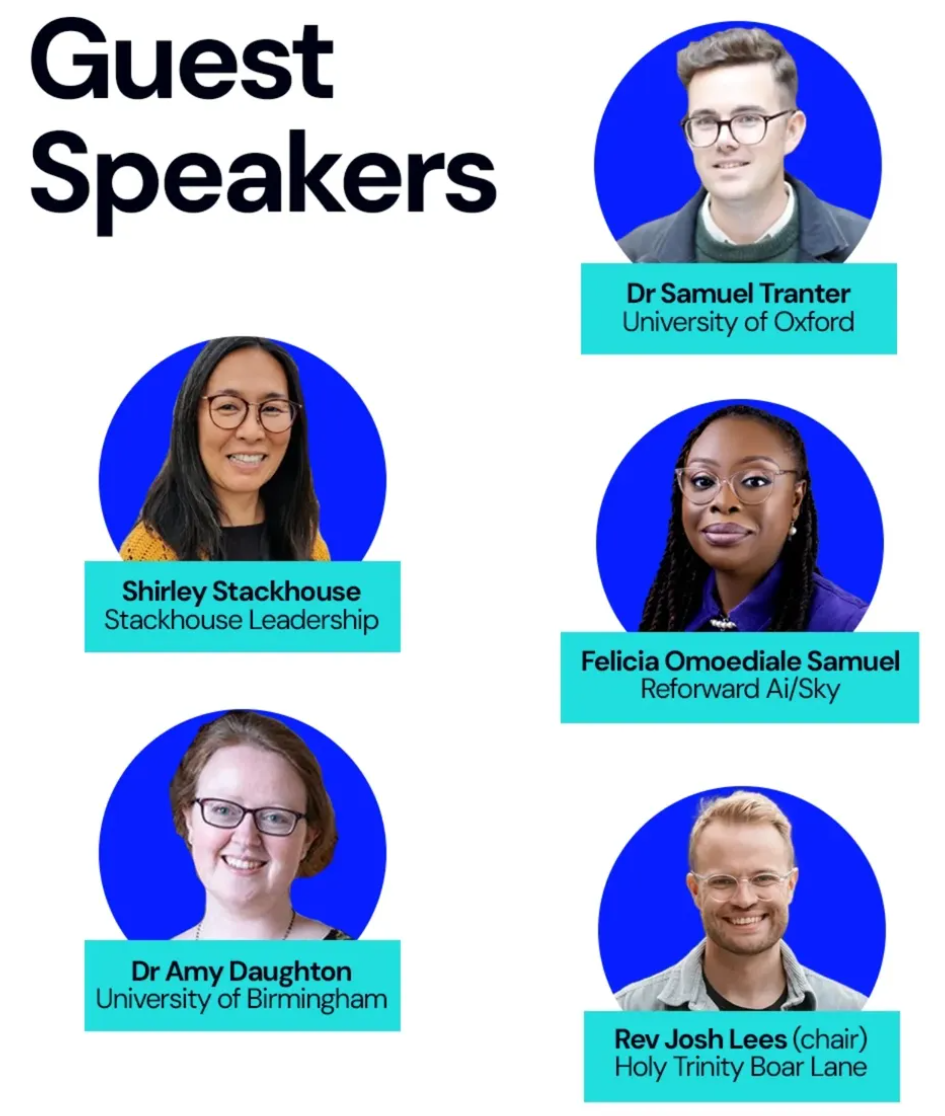
One of the lunchtime sessions at the Leeds Digital Festival at Holy Trinity Church focussed on Pope Leo’s encyclical on AI -what will this mean for human labour, our workplaces and homes, democracy and the common good. The panel was outstanding and included academics from the University of Birmingham and University of Oxford, alongside experts in technology, cyber security and leadership.
In May this year, Pope Leo XIV published Magnifica Humanitas, choosing his first papal encyclical to focus on safeguarding the human person in the time of artificial intelligence. Encyclical Letter of His Holiness Leo XIV Magnifica Humanitas (15 May 2026)
This was the Vatican’s most significant statement yet on the technology reshaping our working and family life. The audience was a mix of people, all interested in the human and ethical questions around AI, whatever our links to technology and from all faiths or none. The focus was on generative AI which more closely replicates human produced work. It produces entirely new data guided by prompts (different to discriminative AI which makes predictions based on the data input). The panel made the links to Catholic Social Teaching and the discussions included more secular parallels, such as the United Nations AI Governance Forum in July and the EU AI Act 2024 and AI amendment 2026.
It was a balanced event which managed to recognise the positives – the encyclical states plainly we should have gratitude for improving technology which can heal, nurture, educate and protect. Here at SPARK, we must also keep in mind the ethical values of those people of faith and with social justice at the core of our thinking. These are the current issues raised by students in some of our social justice settings, who is being harmed, what is the hidden cost to the environment – from the minerals mined or the energy and water needed to feed the massive data centres.
So, questions for us all in the choices we make at work and at home – will AI accelerate and intensify existing injustices, or offer solutions? The emphasis remains that we have agency as humans to use vigilance and manage what is a valuable tool for the common good. There is power in the collective voice, and we can influence politicians and use this for collective bargaining. We can stand in solidarity with those people whose employment is affected, where worker protection is ignored, recognising the impact on entry level jobs. Student poverty and jobs for graduates is a strong theme is our contact with the SPARK membership.
I felt we could achieve a balanced constructive approach in raising these questions in the work we do, not creating a polarised response, but focussing on how we can interpret faith to protect and promote moral decision making.
AI must make moral decisions based on our intelligence; human judgement and wisdom is key to ensuring AI developments follow the core principles of justice and humanity.
I took away a final thought …one speaker said her colleague had told her AI stood for Average Intelligence. It’s not a higher form of intelligence to be feared, but a tool that requires vigilance. The message from Pope Leo focuses entirely on humanity and what it means to be human, and this is a message everyone can get behind.